
This guide helps aged care assessors and allied health professionals refer personal alarms through geat2GO. It covers registration, the referral process, funding and choosing an alarm for a client’s needs. If you already have access to personal alarm referrals, log in to geat2GO and search “Umps” to find our listings, or see the six Umps listings and the exact names to look for.
Already registered with GEAT2GO?
Log in to GEAT2GO and search “Umps” to find our alarm listings.
Open GEAT2GOFor help choosing an alarm, compare Umps alarms available on GEAT2GO.
What is geat2GO?
geat2GO enables eligible older Australians to access fully funded or subsidised Goods, Equipment, and Assistive Technology (GEAT), such as mobility aids, bathroom aids, daily living aid and personal alarms. It is an Australian Government initiative funded under the Commonwealth Home Support Programme (CHSP).
geat2GO is intended to enhance accessibility, address service gaps, reduce wait times, and offer more options for health professionals sourcing assistive devices for older Australians.
How to Register on geat2GO
To begin making referrals for personal alarms and other assistive technologies, Aged care assessors and allied health professionals need to complete a straightforward registration process on the geat2GO portal.
Step 1. Register for Access to the geat2GO Service
To register, visit the official geat2GO portal and complete the registration form. By registering, you gain access to the full product range under Goods, Equipment, and Assistive Technology (GEAT) and can submit online requests for items directly on behalf of your clients.
Step 2. Verification of your registration
After registration, geat2GO will verify your professional details and activate your account. This verification ensures that only qualified healthcare professionals and aged care assessors can request equipment, maintaining the integrity and effectiveness of the service.
Step 3. Browse the geat2GO product listings
Once your registration is complete, familiarise yourself with the products on geat2GO. To access the geat2GO equipment list, click on the Products link. You can search for Umps products at any time by typing “Umps” in the keyword search tabs throughout the geat2GO platform.
How to Place a Referral for a Personal Alarm via geat2GO
Placing referrals for a personal alarm through geat2GO can be undertaken in four easy steps.
Step 1: Submit a Request on the geat2GO Portal
Begin by logging into geat2GO.org.au with the client present. Ensure you have their consent before submitting the referral. This step initiates the request process and confirms the client’s participation and understanding of the referral.
Step 2: Add the Client’s My Aged Care Referral Code
Next, refer the client through My Aged Care or add their My Aged Care referral code directly to your geat2GO request. This referral code is crucial for verifying the client’s eligibility for the Commonwealth Home Support Programme (CHSP) and links the request to the appropriate funding and support channels.
Step 3: Order Processing and Care Plan Creation
Once the request is approved, geat2GO will proceed with ordering the selected equipment. The client will receive a personalised care plan that includes key details such as the delivery date, equipment usage guidelines, and a scheduled follow-up telehealth appointment with an Occupational Therapist. This ensures clients are well-informed and supported in integrating the new equipment into their daily routine.
Step 4: Client Follow-Up and Goal Assessment
After the equipment has been delivered, geat2GO will contact the client to confirm they are meeting their goals with the new device. If further assistance is needed, a follow-up appointment will be arranged. If the client’s goals are met, they will be successfully discharged from the geat2GO program.
This process ensures clients receive essential equipment with professional oversight and follow-up to support their needs. geat2GO have prepared a helpful resource outlining these steps, available in Indigo’s guide for assessors and prescribers. This structured referral process is designed to provide seamless access to assistive technology, ensuring clients receive the support they need every step of the way.
Can I Prescribe a Personal Alarm under geat2GO?
Under geat2GO, personal alarms can only be prescribed by allied health professionals, including occupational therapists, physiotherapists and speech pathologists. If you are unsure if you can prescribe an Umps Personal Alarm under geat2GO, you can check this by searching for “Umps” in the keyword field. If an Umps product appears, you can prescribe the product through geat2GO. Our geat2GO page for prescribers lists each listing by name.
Are there Funding Limits for personal alarms under geat2GO?
Funding limits for assistive technology and equipment through geat2GO range between $1000 and $2500 per year, depending on the client's circumstances.
Commonwealth Home Support Programme (CHSP) Clients
Eligible clients under the CHSP can receive up to $1,000 per year in funding through geat2GO. This allocation supports a range of essential items, such as personal alarms and other daily living aids, to enhance safety and independence.
Support at Home Participants with Urgent Needs
Clients assessed with urgent or immediate requirements may qualify for up to $2,500 per year in additional funding through geat2GO to access critical assistive devices.
Selecting the Right Personal Alarm for a Client through geat2GO
When prescribing a personal alarm through geat2GO, consider the specific needs and lifestyles of each individual. Different types of personal alarms offer distinct features that may suit certain clients better than others. Below, we’ve outlined the main types of personal alarms available on geat2GO, with tips on choosing the best option based on the client’s environment, activity level, and available support.
Home-Based Alarms vs. Community Alarms
Home-Based Alarms
Home-based alarms are designed for use within the home and surrounding areas, such as the garden. These alarms are ideal for clients who primarily stay at home. Key benefits of home-based alarms include:
- Portability and Convenience: Small, lightweight, and waterproof, these devices are easy for clients to wear comfortably.
- No Charging Required: Unlike some other alarm types, home-based alarms don’t require regular charging, making them convenient for clients who may have difficulty managing battery upkeep.
Community Alarms
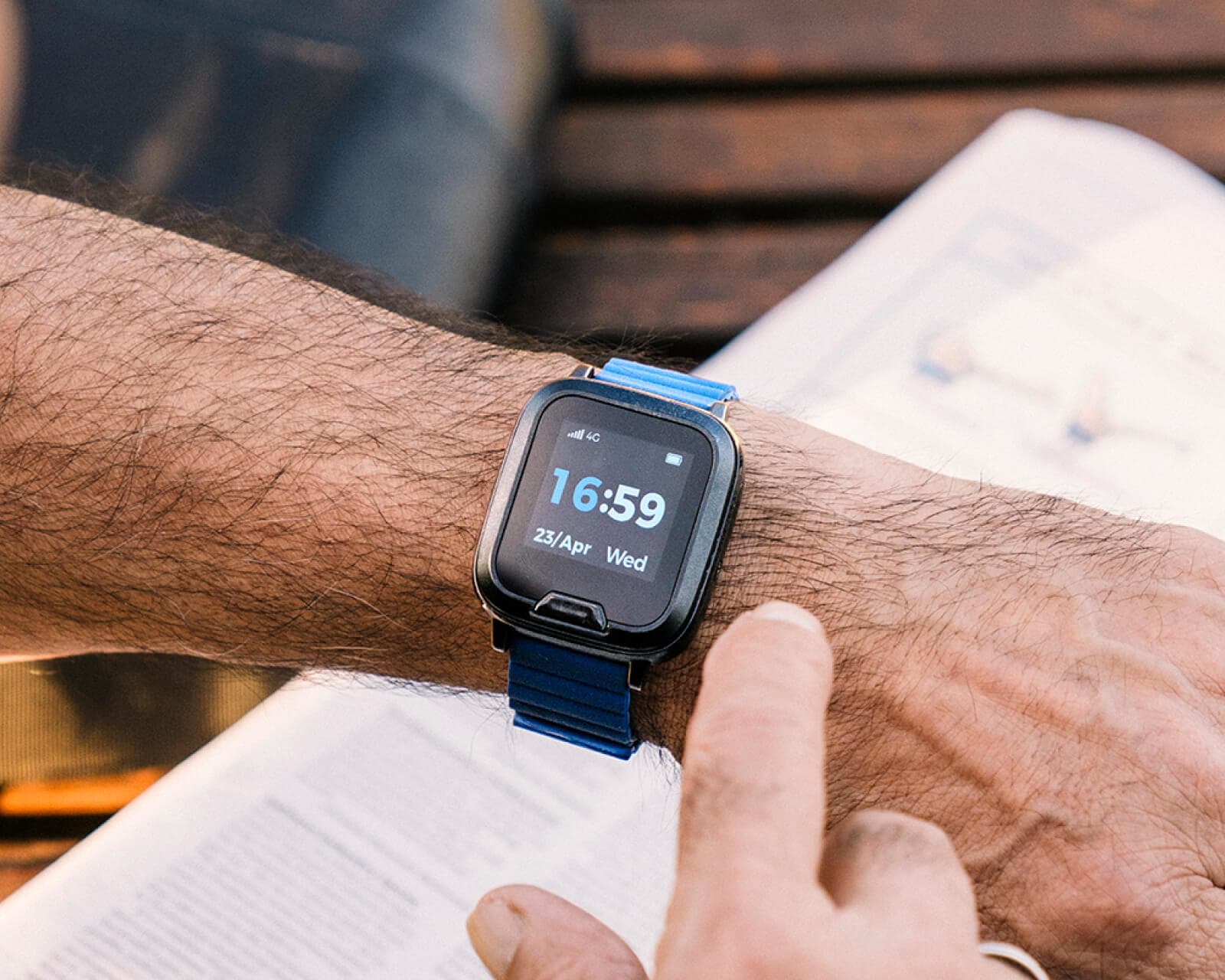
Community alarms are available as both a pendant or watch, and are designed to work both inside and outside the home. These alarms contain a SIM card that sends location data when an alert is activated, making them suitable for clients who are often outside the home. Key considerations for community alarms include:
- Location Tracking: Community alarms can transmit the client’s location, which is especially useful in emergencies when the client is away from home.
- Regular Charging Required: These devices generally require charging every one to two days. For clients who may forget or be unable to charge the device consistently, this option may pose a risk in emergencies if the alarm is not fully charged.
Our Mobile Alarm is available on geat2GO in wrist-worn and pendant configurations. Compare Umps alarms, monitoring plans and client support.
Professionally Monitored vs. Family Monitored Alarms
Professionally Monitored Alarms
Professionally monitored alarms are connected to a 24/7 emergency response center. When an alert is activated, the client is connected to a trained operator, typically within about 30 seconds. This type of monitoring is beneficial for clients who may lack immediate family support or have caregivers under stress. Key benefits include:
- Instant Professional Response: The client receives rapid assistance from trained operators, ensuring reliable help is available around the clock.
- Reduced Family Care Burden: Professional monitoring relieves family members of the need to be constantly on call, reducing caregiver stress and ensuring emergency responses are handled promptly.
Family Monitored Alarms
Family monitored alarms send an alert to designated family members or caregivers via text message or phone call when the alarm is activated. This option may be suitable for clients with family members who are available to respond immediately. Important factors to consider include:
- Family Availability: Family members need to be “on call” at all times, especially during overnight hours when falls are more common.
- Overnight Accessibility: If family members are unable to respond 24/7, professionally monitored alarms may be more appropriate to ensure reliable support.
Choosing an alarm for your client?
Explore Umps alarm options, monitoring plans and client support available through GEAT2GO.
Compare Umps alarmsTip for Choosing the Right Monitoring Type
If the client’s family or caregivers may experience stress or are not available around the clock, a professionally monitored alarm may be more suitable. This option ensures reliable support and minimises caregiver burden, making it an ideal choice for clients requiring consistent monitoring.
Who can benefit from a personal alarm?
Personal alarms are often recommended for clients at risk of falls, with mobility issues or chronic health conditions. For these people, personal alarms can provide peace of mind, enabling them to stay in their homes with greater confidence. Most referrals we receive are for clients that live at home alone. However, the Umps Link also allows for multiple pendants to be connected to the same Hub. This is particularly useful if a person lives with a frail spouse who also requires a personal alarm.
Delivery and Setup of Personal Alarms through geat2GO
Once a personal alarm is ordered through geat2GO, it typically takes between one and two weeks to reach the client’s home. At Umps, we work closely with prescribers of assistive technology to make sure that we make setting up a personal alarm as easy as possible.
Pre-Configured Alarms for Easy Setup
Umps prepares each alarm before shipping so it arrives fully configured and ready to use. This eliminates complicated setup steps for the client, allowing them to begin using the alarm as soon as it arrives.
Installation Support for Clients and Caregivers
To ensure every client feels confident using their personal alarm, Umps offers complimentary installation support and undertakes proactive follow-up calls to check in on clients. For clients needing further assistance, Umps can coordinate with the prescriber, family members, or another aged care provider to facilitate in-person installation support when necessary.
Other Equipment Available through geat2GO
geat2GO provides more than 2000 products through the geat2GO platform. These products are designed to meet the various needs of older Australians, helping them to maintain independence and safety at home. Examples include mobility aids, bathroom aids, daily living aids, personal alarms, and specialised equipment. You can access a complete geat2GO list of equipment by logging into the geat2GO portal and clicking on “Products”.
Alternatives to geat2GO
If a client cannot access a personal alarm through geat2GO, they may be able to obtain a personal alarm through alternative funding options:
Support at Home
Clients with higher care needs may be eligible for a personal alarm under the Support at Home program. Support at Home provides funding for personal alarms through the Assistive Technology and Home Modifications (AT-HM) Scheme.
National Disability Insurance Scheme (NDIS)
For individuals under 65 with significant disabilities, personal alarms may be funded through the NDIS. This program offers customised support for those who qualify, including essential safety devices like personal alarms.
Private Purchase
Clients may also choose to purchase a personal alarm directly from Umps. If required, we can also offer payment plans and rental systems which make private purchase an accessible option for those who do not qualify for government funding.
Contacting geat2GO for Further Assistance
geat2GO has a dedicated support team available to assist prescribers and allied health professionals with placing referrals. For help, contact their team at 1800 518 218. For questions specifically about Umps products, please reach out to Umps directly.
FAQs
Ready to refer an Umps alarm?
Log in to GEAT2GO and search “Umps” to find our alarm listings.
Open GEAT2GO